Sivanea
creative projects by Daniel Hardman
Loved Again, Again
2026-01-31
Lyrics are by me collaborating with AI. Performance by Harrow on suno.
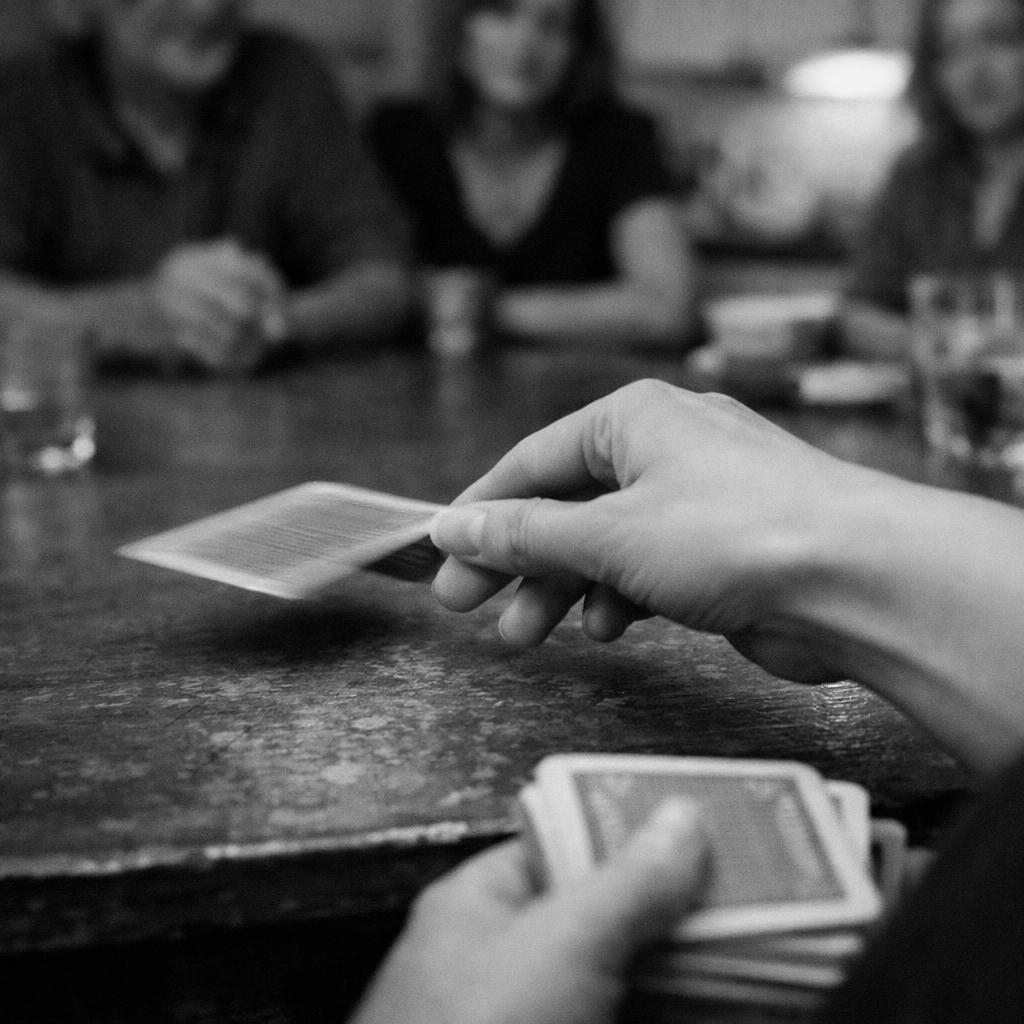
[verse 1] Born in a boxcar, mountain pass Cold wind whistling through thin walls From hand to land, no steady face Too young to know who’d stay at all [refrain] And she loved again, again [verse 2] Love came quick, then he was gone Letters late, then silence long Winter fighting, far from home Not knowing if he’d come at all [refrain] And she loved again, again [verse 3] Three born early, could not breathe No air, no heat to hold them here Hospital glass, no help for blue Children home, and more to come [refrain] And she loved again, again [verse 4] Small shared house for twenty-three years Smoke all night as kids lost sleep Kitchen claimed by someone else Knowing who would never leave [refrain] And she loved again, again [verse 5] Cards dealt out, walks, laughter shared Friendships fed from written years Stories told, odd facts she stored Hands once held now holding hers [refrain] And she loved again, again [outro] again.
Liner Notes
Mary Wilkerson’s life began in hard conditions. As a child, she lived in borrowed places—boxcars, cars, relatives’ homes—moving often, separated for years from her mother and siblings. She watched adults make choices that fractured her family. Her stepfather chose alcohol over home. The consequences were lasting. Mary never denied them. She also never sharpened them into blame. The story remained what it was—clear, unadorned, and unleveraged.
In adulthood, Mary saw more hardship: a husband away at war; children lost to the limits of medical care in their time; years lived in close proximity to a difficult mother-in-law. These were not trials she overcame or lessons she drew attention to. They were simply conditions she lived inside of, year after year, without allowing them to close her off from others – because despite her challenges, Mary was an upbeat person, friendly and engaged. She loved her friends and family, walked with energy, and took delight in games and trivia and many of life’s small pleasures.
Perhaps what distinguished Mary most was not her endurance, but her availability. She remained open—to people, to conversation, to affection, to strangers and family alike. She showed up without edge. She welcomed without testing. She did not keep a moral ledger of what life had taken from her or what she was owed in return. Those around her remembered not grand acts, but steady, open goodness: the sense that she met each person as they were, without reserve.
Mary’s song bears witness to her choice to live without bitterness, without spectacle, and without claim—remaining open to others, all the way through.